
Bridging the Gap: Lessons from Australia for Phage Therapy in South Korea
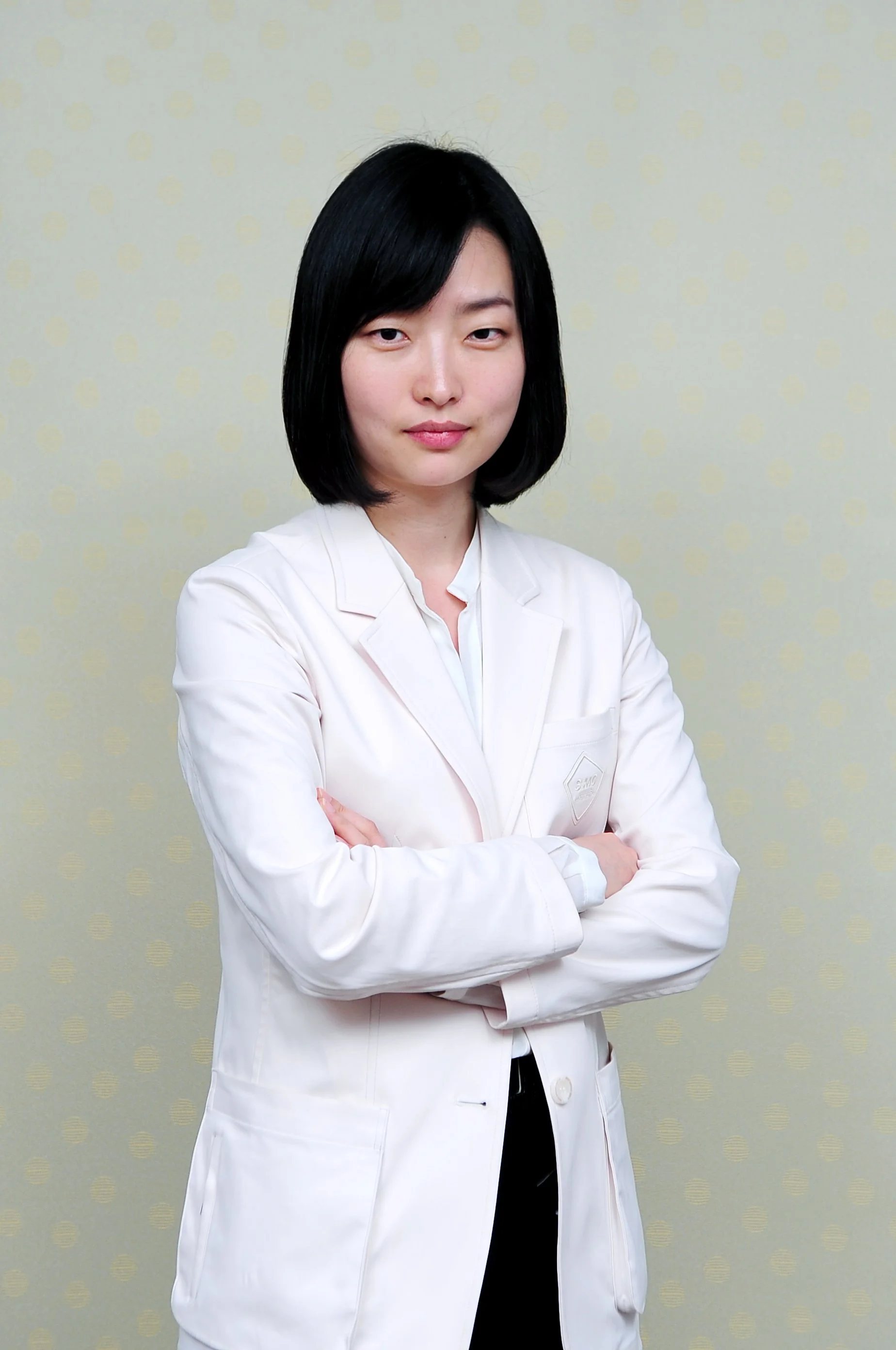
I am Eun-Jeong (Eileen) Joo, an Associate Professor and Infectious Diseases specialist from Kangbuk Samsung Hospital in South Korea. In February 2026, I have had the incredible privilege of visiting Professor Jon Iredell’s research lab at The Westmead Institute for Medical Research (WIMR) as part of the Phage Australia Westmead team. Within this blog I share reflections on the AMR (antimicrobial resistance) landscape and my inspiring journey at WIMR.
The South Korean AMR Experience
In South Korea, we face a significant challenge with multidrug-resistant (MDR) organisms. While carbapenem-resistant Acinetobacter baumannii (CRAB) and carbapenem-resistant Enterobacteriaceae (CRE) are at the forefront of this crisis, the persistent recurrence of Methicillin-resistant Staphylococcus aureus (MRSA) remains a critical burden.
Despite the large scale of our healthcare institutions, many hospitals in Korea and across Asia grapple with similar structural hurdles, specifically, limitations in specialized personnel and financial support dedicated to infection control. This gap between clinical demand and resource allocation has made the "post-antibiotic era" our current reality.
My personal interest in bacteriophage therapy has intensified through managing complex clinical cases, such as a patient currently suffering from recurrent MRSA bacteremia and bilateral prosthetic knee joint infection, which has persisted despite repeated treatment with daptomycin.
As there have been no documented successful cases of phage therapy in South Korea to date, I have come to Australia to collaborate and learn. My goal is to achieve the first clinical case of bacteriophage therapy in Korea, bridging the gap between international innovation and our local unmet needs.
Building a National Phage Infrastructure and Network
My visit highlighted the unique strengths of both countries. While Korea excels in diagnostic speed and hospital management, Australia leads in translational phage therapy. I was particularly impressed by how the clinical-research network across Australia quickly identifies patients and delivers personalized treatment. This synergy between the bedside and the lab is truly inspiring.
South Korea is at a turning point. Supported by the Lee Kun-hee Legacy Research Fund (established by the late Chairman of Samsung), we are building our first national phage therapy network. The Australian model is an important blueprint for us as we develop this integrated system from the ground up.
From Laboratory Precision to Clinical Application
Australia’s expertise in bridging the gap between the lab and the clinic is world-leading. I found great inspiration in the laboratory workflows, specifically the rapid assessment of bacterial susceptibility, phage-antibiotic synergy, and the subsequent scaling of phage production. The efficiency of the phage banking system and the standardized manuals covering every step from initial testing to clinical administration offer profound implications for Korea. Adopting these processes will be crucial for us to ensure both safety and efficacy as we implement these protocols locally.
Navigating Regulatory and Economic Challenges
I recognize that the road ahead is complex. Transitioning from the current "compassionate use" model to a “formal therapeutic framework” involves significant hurdles, including establishing GMP-compliant manufacturing facilities for phage production and defining the role of phages within the regulatory and insurance reimbursement systems.
While these hurdles are challenging, I believe they can be overcome through the commitment of clinicians and proactive, transparent communication with regulatory authorities. The Australian experience proves that when dedicated experts and regulators work in concert, the "post-antibiotic" challenge can be met with safe, innovative solutions.
My Time with Phage Australia
My time at Westmead has been truly eye-opening. While I learned about phage techniques, what inspired me most was the team’s spirit, especially their dedication to patients who have run out of options.
I return to Korea with a wealth of knowledge and a strong resolve to advance phage therapy in South Korea. I am deeply grateful to Professor Jon Iredell and the entire team for your warm hospitality and for making me feel like part of the team.
I look forward to the continued collaboration across the ocean.